






On April 19, the U.S. Department of Justice reportedly made public an investigation involving the governor of Sinaloa and nine other officials:
Rubén Rocha Moya
Enrique Inzunza Cázarez
Te podría interesar
Enrique Díaz Vega
Dámaso Castro Saavedra
Marco Antonio Almanza Avilés
Alberto Jorge Contreras Núñez
José Antonio Dionisio Hipólito
Gerardo Mérida Sánchez
Juan de Dios Gámez Mendívil
Juan Valenzuela Milán
ALSO READ: Government to Auction Ranch Where “El Mencho” Was Killed
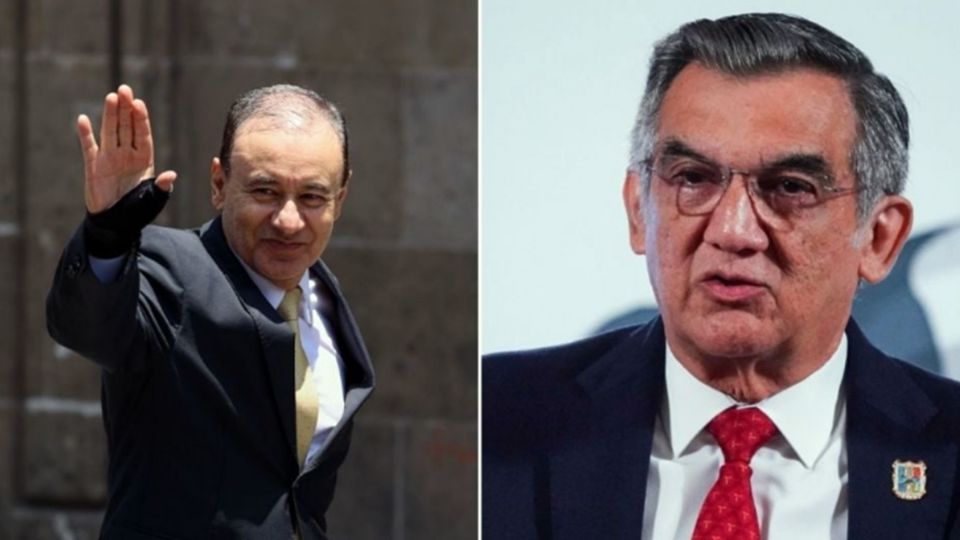
Returning to the report published today by the Los Angeles Times, the newspaper states that the governors under investigation are Alfonso Durazo of Sonora and Américo Villarreal Anaya of Tamaulipas, both members of the ruling Morena party. As a result of these criminal investigations, both allegedly had their U.S. visas revoked.
What Is a “Parole” Permit?
Despite not holding valid visas, sources cited by the Los Angeles Times indicate that both governors have access to the United States through a special program known as Significant Public Benefit Parole.
This program is generally reserved for non-citizens who are cooperating with authorities, allowing them to testify before a grand jury in order to mitigate potential charges against themselves or third parties.
However, Paloma Terán, spokesperson for the governor of Sonora, said the information regarding Durazo is “false,” maintaining that he has a valid U.S. visa.
The main difference between a visa and a parole permit is that the latter is intended for extraordinary situations, such as:
- The death of a family member in the United States
- Traveling to pick up a migrant minor
- An athlete entering the United States for a competition
- An artist or musical group working in the country for only a few days
Context
On May 31, President Claudia Sheinbaum held a rally in which she denounced what she described as interference by figures in the United States for electoral purposes.
“Are we seeing sectors of the American far right using our country to position themselves ahead of the 2026 elections? Or are they attempting to influence our country’s 2027 election? ... Mexico is nobody’s piñata. ... We are no longer talking about cooperation; we are talking about interference. ... It must be clear: they come after some, then others, until offices of the Department of Justice become the main electoral force in Mexico. ... Just as we take action in our country, they must also break the drug distribution chains and money-laundering networks operating in the United States,” the president said.
Subsequently, U.S. Ambassador to Mexico Ronald Johnson stated that the fight against drug-trafficking organizations should unite both governments and should not be politicized.
“The fight against the cartels should unite us, not divide us. People on both sides of our border want to live safely and in peace. They deserve to live free from the intimidation, corruption, and fear generated by the cartels,” he said.
The president later returned to the issue, insisting that “ambassadors must be respectful of the internal political affairs of other countries.”
djh