





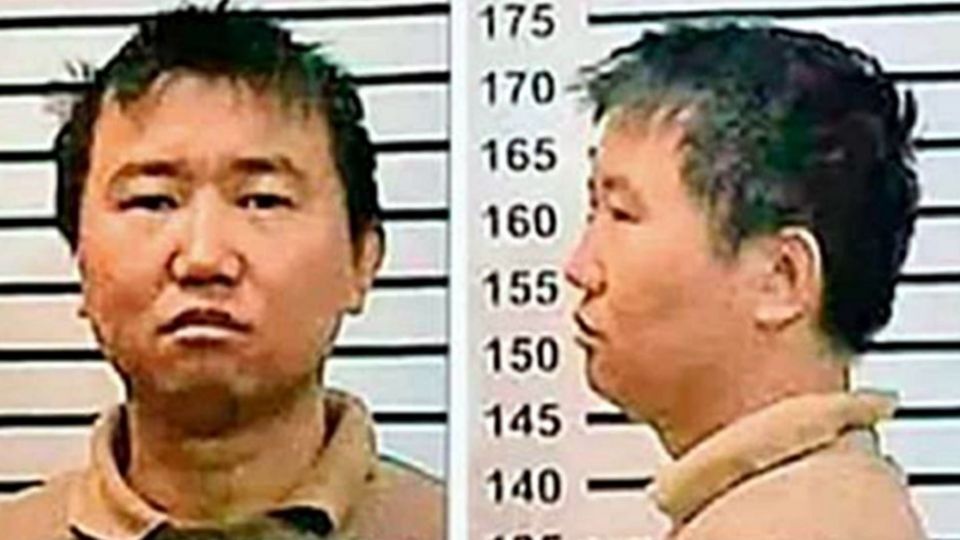

What began as the story of a young graduate from one of China's most prestigious universities ultimately became, according to U.S. authorities and interviews conducted by the BBC, the trajectory of a man who embraced risk as a way of life and allegedly played a central role in the international network that supplied chemical precursors used to manufacture fentanyl.
Zhi Dong Zhang, known in criminal circles as "Brother Wang," moved to Mexico in 2011 after completing his studies in Hispanic Philology at Peking University. His first job was with a Chinese-owned mining company involved in iron ore extraction, where he quickly rose through the ranks thanks to his fluency in Spanish and his ability to operate effectively in a variety of settings.
A Man Drawn to Danger
People who worked alongside him during that period describe him as a skilled professional who excelled at building connections and handling difficult negotiations. They also recall someone who appeared comfortable in dangerous situations and, rather than avoiding them, actively sought them out.
Te podría interesar
A former classmate and coworker, identified by the pseudonym Alex, told the BBC that Zhang enjoyed taking reckless risks. Among the incidents he recalled was a crash in which Zhang totaled his boss's vehicle without showing concern about the consequences. On another occasion, Alex said, Zhang drove to a remote highway at night solely to fire guns at road signs.
ALSO READ: 'El Doctor,' Alleged Los Viagras Operator Wanted by U.S., Arrested in Michoacán
According to those who knew him, this appetite for risk coincided with his growing ties to influential figures in Mexico, both within official institutions and outside them, as he expanded his business activities.
Entering Drug Trafficking Networks
After the mining company went bankrupt in 2013, Zhang chose to remain in Mexico. Shortly afterward, he began offering currency exchange services at preferential rates through a Peking University alumni group. One former classmate suspected those transactions could be linked to money laundering.
U.S. authorities allege that by 2016 Zhang was leading a criminal organization involved in drug trafficking and money laundering. According to members of the Sinaloa Cartel interviewed anonymously by the BBC, his command of the language, relationships with suppliers in China, and ability to build trust made him a strategic intermediary responsible for supplying chemical precursors to clandestine drug laboratories operating in Mexico.
The accounts gathered by the BBC suggest Zhang established a supply chain connecting Chinese chemical manufacturers with Mexican organized crime operators, creating a logistics network that sustained fentanyl production for several years.
The Role of a Key Middleman
Experts interviewed by the BBC say individuals with Zhang's profile are rare. Victoria Dittmar, a researcher at InSight Crime, explained that intermediaries like him are a critical link because they simultaneously connect chemical producers in Asia, criminal organizations in Mexico, and distribution networks operating in the United States.
Mexican authorities linked Zhang to international operations involving cocaine, methamphetamine, and fentanyl, as well as the laundering of hundreds of millions of dollars in drug proceeds. Meanwhile, the U.S. Department of Justice accused him of coordinating a financial network built around shell companies to conceal the illicit origin of those funds.
Arrest and International Escape
Zhang was arrested in Mexico on October 31, 2024. Although a judge initially ordered that he remain under house arrest, he allegedly escaped through a hole in a wall and fled aboard a private jet to Cuba before traveling to Russia. After authorities discovered he was using forged documents, he was returned to Mexico and extradited to the United States in 2025. He is currently facing criminal charges and has pleaded not guilty.
A Temporary Disruption in the Supply Chain
According to Sinaloa Cartel members interviewed by the BBC, Zhang's absence immediately complicated efforts to obtain the chemical precursors needed to manufacture fentanyl. The U.S. Drug Enforcement Administration (DEA) later reported a decline in the drug's purity, which it linked to supply disruptions affecting manufacturers based in Mexico.
However, researchers specializing in organized crime caution that criminal organizations typically adapt quickly after losing key operators. Members of the cartel themselves told the BBC that while Zhang's departure created a significant gap because of his contacts and experience, the organization soon began developing new supply routes to keep its operations running.
djh